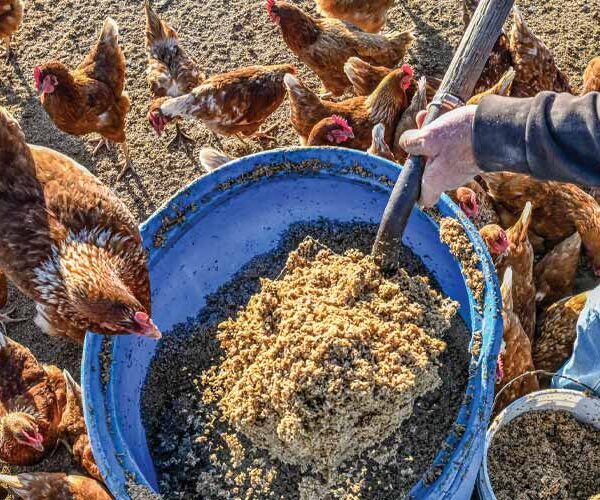
Leaner, Cleaner & Greener
By focusing on efficient processes, breweries can lower costs, reduce waste, improve sustainability, and consistently produce exceptional beer.
2026 Board Election: Meet the Candidates & Vote ›


You are using an outdated browser not supported by The Brewers Association.
Please consider upgrading!
There is a lot of work that goes into brewing your beer. From cleaning and sanitation, to brewhouse operations, fermentation, cellaring, filtration, and finally packaging your beer, these resources will help you make the best beer at every step of the production process.
By focusing on efficient processes, breweries can lower costs, reduce waste, improve sustainability, and consistently produce exceptional beer.
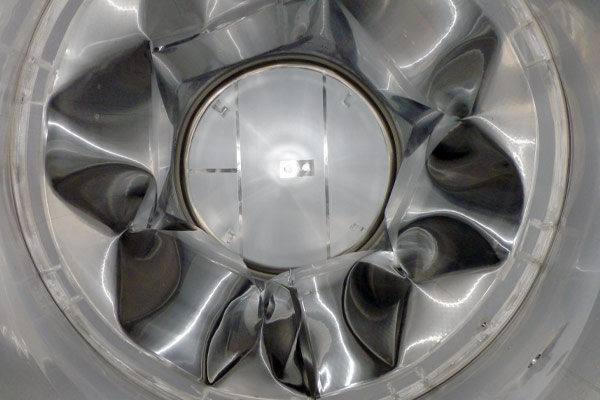
Operational efficiency often starts with treating every part of the brewery as a documented, repeatable process. Nowhere is that concept more fitting than in CIP.
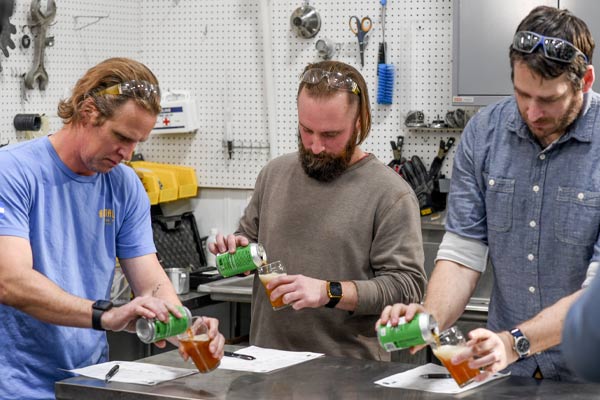
Once beer leaves the brewery, maintaining quality depends on decisions that were made long before the truck left the loading dock.

Cider is an amazingly diverse beverage, as many cider makers, and increasingly, brewers who choose to add the beverage to their repertoire, can attest.

Maintaining a proper pH value throughout the entire brewing process is an often-overlooked variable that contributes to a finished beer’s flavor, foam stability, and more.

We are in a period of disruptive change. Now more than ever, brewers need a renewed commitment to best practices in operations and business for continuity and resiliency.

Oxygen plays many roles during various stages of the brewing process, but preventing the pickup of oxygen from the end of fermentation is key.

Brewing non-alcohol beer is fundamentally different from producing traditional beers that typically contain inherent barriers to ensure consumer safety and shelf stability.

Being small doesn’t mean you don’t need to worry about structure and organization. A brewery making 600 barrels can be just as organized and efficient as one hitting 30,000.

Too often, brewers talk about stability issues as something to react to rather than prevent. Careful consideration in all facets of the brewing process provides a better road map.
 Resource Hub