



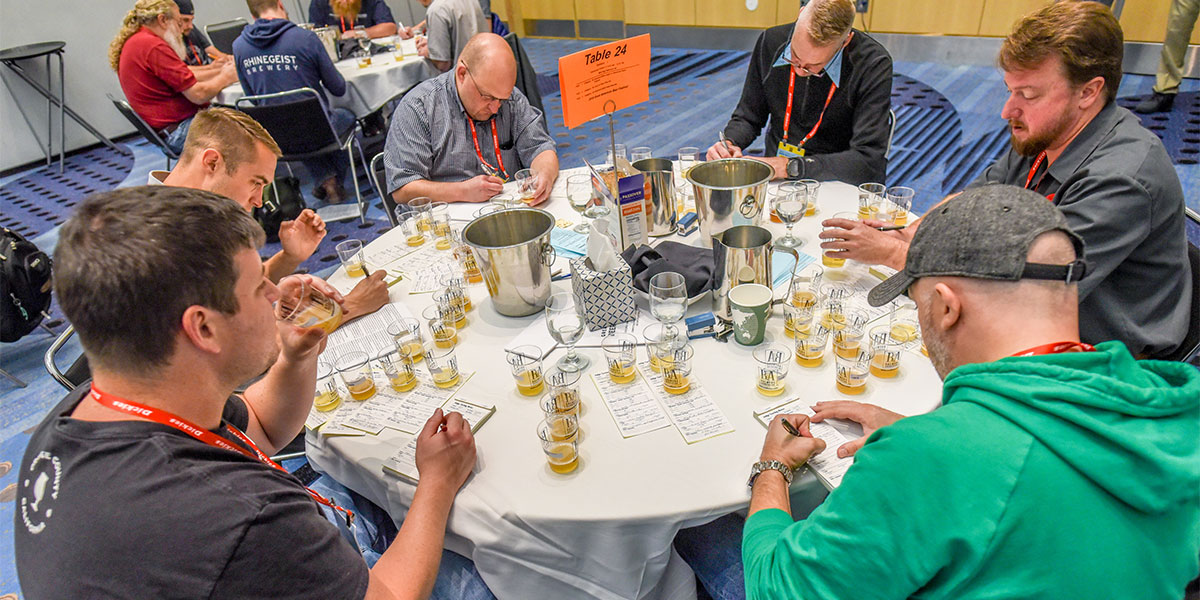
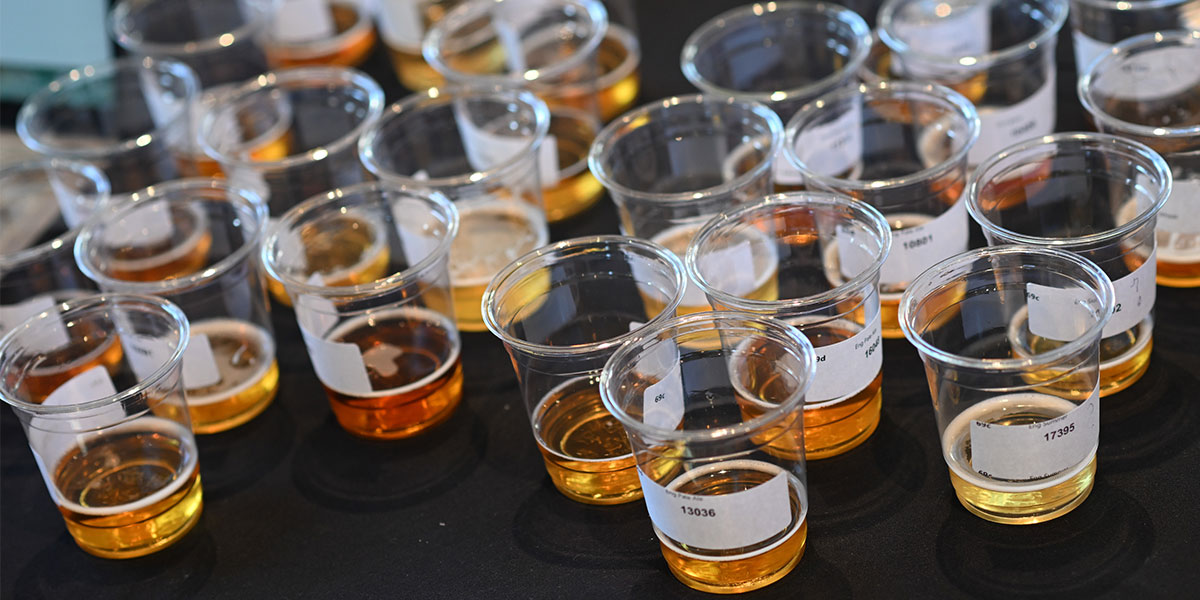
The 2026 Great American Beer Festival® (GABF) competition was my 30th (consecutive!) year of evaluating beers as part of the professional judge panel. Anniversaries like this often offer the opportunity to reflect on what has changed and what has remained the same. Besides my own musings, I spoke with other long-tenured judges for their perspectives. More often than not, our thoughts went to how beer styles, as defined by the Brewers Association (BA) Beer Style Guidelines, have morphed and grown over the past three decades.
What Makes a Beer Style?
In the case of a beer competition, a beer style description and definition could be described as a fool’s errand to try and change a subjective pleasure, beer drinking, into an objective exercise that provides a framework for judging and evaluating beer. Of course, beer styles are more than just that. Besides setting standards for evaluation, beer style descriptions can be seen to preserve classic styles that have defined beer and brewing culture and traditions. On the other hand, they can help beer drinkers navigate product preferences in a time where experimentation and innovation create a very fluid (sorry) and flavorful landscape. As for the BA style guidelines, they are designed to recognize beer styles that “reflect, as much as possible, historical significance, authenticity, or a high profile in the current commercial beer market.” As with all types of style guidelines, they are subject to changes in consumer preferences and brewer innovation. And of course, personal interpretation.
Individual Styles Morph and Change
Perhaps there is not a better style to illustrate how styles morph and change than the ubiquitous IPA. Early GABF competitions had one category of IPA, which is currently called “British-Style India Pale Ale.” Copper colored and featuring the sometimes woody and herbal character of British hops, a beer pushing the upper end of bitterness for the style might have had 40 IBUs. Oh, and diacetyl was allowable. (Back then, diacetyl wasn’t the evil it is now, although you could argue it should have been.) As U.S. brewers began to experiment with citrusy and piney hop varieties and increased bitterness, the American-Style India Pale Ale emerged and was added to the style guidelines and the GABF competition. That was in the year 2000. This version of IPA was copper or even amber in color and often had evident caramel malt. Finally, the development of hop varieties with stone fruit and tropical character, along with higher quality and lighter colored pale malts, the West Coast-Style India Pale Ale emerged, the hop forward and pale colored version most brewers and consumers now consider as the quintessential IPA.
Of course, this narrative is simplified, as twists and turns in the development of craft IPA included double, imperial, experimental, cold, and brut, among other, styles of IPA. One interesting aspect of the development of the current West Coast-Style India Pale Ale is that many, but not all, of its predecessors are still brewed and hold a place in the BA Style Guidelines. That is not always the case. India Pale Lager burst on the scene several years ago but has disappeared since evolving into the West Coast-Style Pilsener. Moving Targets: Why Evolving Beer Styles Aren’t “Just Marketing”, a recent interesting read on the evolution of West Coast-Style Pilsener, presents a different look on the role of beer styles.
Passing Fads or Emerging Styles?
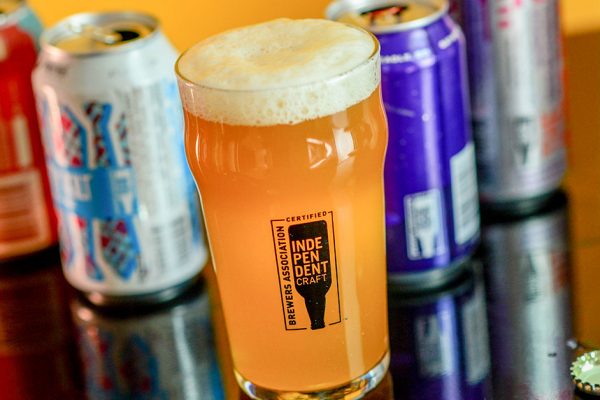
Another qualifier for a style’s inclusion in the BA Guidelines, which then finds its way into the GABF competition guidelines, is to not “represent only a passing fad that is quickly forgotten.” Glitter beer, anyone? Sometimes it is hard to get that part right. As part of the team at the BA that evaluates and edits the guidelines, I, and others on the team, felt that the hazy beers we were seeing brewed in the Northeast U.S. in the early 2010s were a fad that would quickly pass. Could we have been more wrong? It wasn’t until hazy beers became a national phenomenon around 2015-2017 that hazy styles were ultimately added to the BA Style Guidelines in 2018. Perhaps in today’s fast paced world, historical significance and authenticity take a back seat to a high profile in the current commercial beer market. At least in the case of juicy, hazy hop-focused beers.
Innovation, Expansion, and an Ever-Changing Market
Although the Great American Beer Festival started in 1982, there wasn’t a juried competition awarding medals until 1987. That first competition in 1987 awarded medals in just 12 style categories. In 2026, medals were awarded in 105 style categories. That is a 775% increase. Craft brewer innovation and major changes in availability of ingredients drove that increase. A surge towards higher alcohol content in the late 1990s and the early 2000s created new double or imperial styles based on lower ABV traditional versions. Increased availability of different species and strains of yeast allowed brewers to expand portfolios into traditional styles that were previously difficult to recreate. Experimentation with different microbes, different fermentables, barrel aging, and nearly every fruit and vegetable imaginable, except for maybe broccoli, unlocked the door for the creation of dozens of new styles. And last, but not least, the development of uniquely American hop varieties drove the creation of a whole family of both pale ales and IPA styles of varying intensity and strength.
Looking towards the future, the use of natural and artificial flavors and the development of functional beverages may portend additional new style categories.

Evolving Traditional Styles and Consumer Demand
Part of the dynamic of changing competition guidelines is evolving consumer demand that creates a high profile in the current commercial beer market. It wasn’t that long ago that craft brewers were not brewing that many Mexican or Czech lagers. It is not that they were not allowed into the competition or described in the BA Style Guidelines, but they were lumped into larger overarching categories in the competition. The number of potential entries did not guarantee them being judged as a separate style category at the GABF. The recent addition of these specific styles as separate categories is simply a reflection of these styles’ growing popularity with U.S. consumers.
The U.S. craft brewing industry doesn’t exist in a vacuum. The relatively recent change to move the World Beer Cup from a biennial to an annual event has created a desire for the competition guidelines to accurately reflect changing trends in beer styles outside of the U.S. Changes in other regions may not always move in the same direction as styles in the U.S. As an example, Vienna-style lagers are becoming lighter in color in Europe, a change that is not taking place in the U.S. Changing consumer preferences in European markets creates additional stylistic tension between the idea of preserving traditional styles and reflecting high profile changes in the commercial market. “Traditional” classic styles are not static in their country of origin. U.S. craft brewers and craft consumers are not the only drivers of change.

GABF Awards: More Valuable Than Ever
As the GABF has grown and changed over the years, so has the prestige associated with the competition. The marketing opportunities that come with winning a medal speak for themselves. The industry creditability and the internal validation that comes with a gold, silver, or bronze award doesn’t feel too bad either. I was lucky enough to win about a dozen medals during my brewing career, including back-to-back gold medals in the GABF and the World Beer Cup in the same style. Speaking of World Beer Cup, it’s next up. Registration opens in early November.
Not Everything Changes
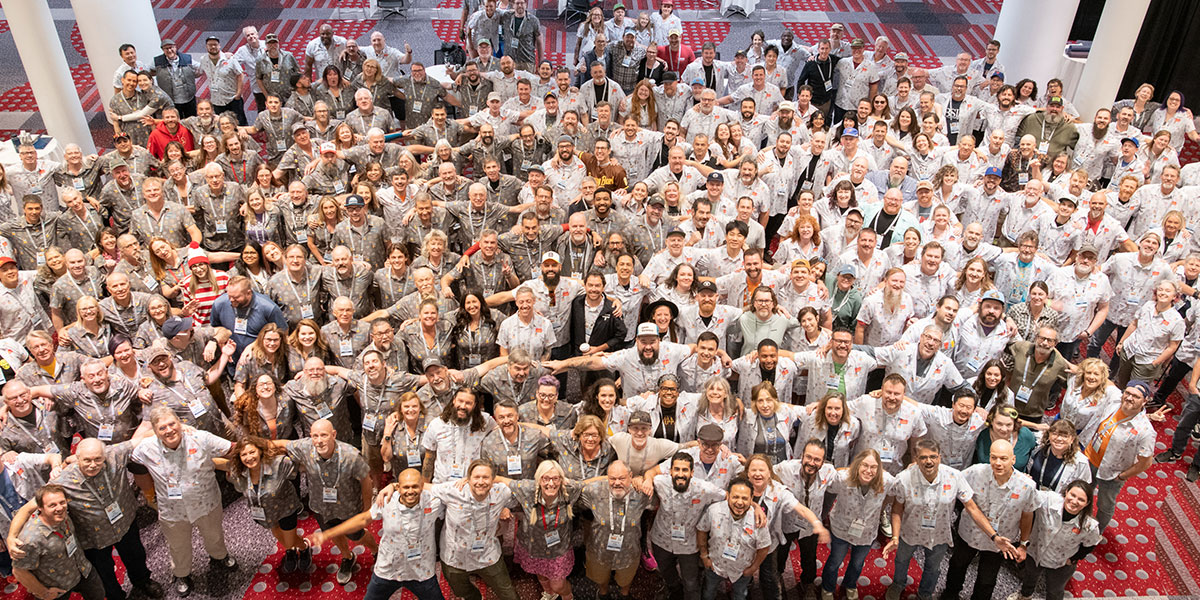
Several aspects of judging over 30 years at the GABF haven’t changed. The networking opportunities with others on the judging panel have been a formative part of my career in brewing. The exchange of knowledge with fellow judges is the most rewarding part of those 30 years, whether at the judging table or during a lasting relationship that started during the GABF, I learned as much in year thirty as I did in year one.



 Resource Hub