

What to consider when your brewery team spans different roles, schedules, employment types, or locations
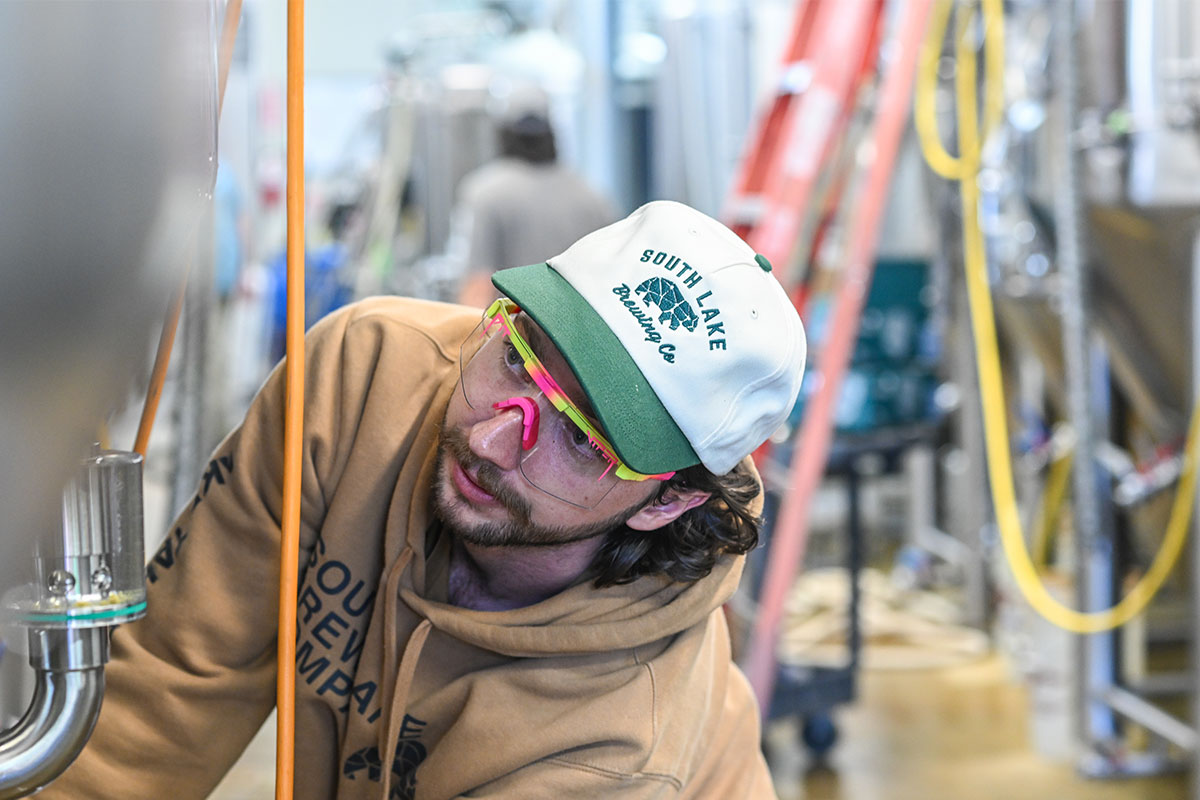
A head brewer is in bright and early. A taproom bartender is getting ready for the Friday night rush. A manager works full-time, a few seasonal hires cover the busiest months, and a second taproom sits two towns away, or maybe across state lines.
They all work for the same brewery. They don’t necessarily work the same way.
That’s normal in this industry, and it’s a big reason benefits can be hard to plan. A lot of benefits strategies are built around teams that work similar hours in the same place. Many breweries don’t look like that. Before deciding what benefits approach makes sense, it helps to get clear on who actually works for you.
1. Start with the Team You Have
Think about what your workforce actually looks like. A few things worth considering:
- Roles: production, packaging, taproom, management, events
- Full-time, part-time, and seasonal team members
- Hourly and salaried employees
- Typical schedules: early production shifts, closing taproom shifts, weekends
- Locations, including any state lines
- Growth you expect, like a second taproom
The point isn’t to sort employees into an eligibility chart. It’s to understand the makeup of your team so you know which questions matter when you’re looking at benefits. A dozen employees at one brewhouse in one state raises different questions than thirty people across two taprooms and a production site.
2. Different Work Patterns Can Create Different Needs
A mixed workforce affects more than which benefits employees may value. It also changes what the benefits program has to handle behind the scenes. A brewery with mostly year-round full-time employees may have a different rhythm than one that brings on seasonal staff, regularly adds taproom employees, or manages people across several locations.
More hiring, changing schedules, and multiple worksites can mean more enrollment and administrative touchpoints throughout the year. That doesn’t automatically mean the benefits themselves need to be more complicated. It does mean the structure should be manageable for the people running the business.
The goal isn’t to create a different package for every role. It’s to recognize the way your brewery actually operates before choosing an approach that’s difficult to maintain.
3. Location Can Change the Equation
Location can affect which carriers, plan options, provider networks, and pricing are available. Those differences can become more noticeable when employees are spread across different markets and especially across state lines.
A benefits approach that works well for the crew at your production facility may not work as smoothly for employees at another location. If you’re planning to add another location, it’s worth thinking about this before your next renewal.
The more spread out your team is, the more useful it is to ask early: can one plan realistically work for everyone?
4. Look For Flexibility Without Making Benefits Harder To Manage
For plenty of breweries, a traditional group health plan can be a good fit. If your workforce is more geographically spread out or includes different employee classifications, it’s worth knowing other structures exist.
One option is a CHOICE Arrangement, formerly ICHRA. Instead of the employer selecting one group health plan, the employer sets a contribution amount, and employees choose qualifying individual coverage. Under federal rules, employers can use certain employee classes when setting up a CHOICE Arrangement, including full-time, part-time, seasonal, salaried, non-salaried, and certain geographic groups.
That flexibility can make the model worth exploring for some mixed or multi-location workforces, but it isn’t right for every brewery. The rules around employee classes and eligibility matter, so this is something to review with a qualified benefits partner rather than trying to structure on your own.
5. Think Beyond the Medical Plan
Voluntary benefits give employees more choice without asking you to build a separate package for each person. Options such as dental, vision, life, disability, accident, and critical illness coverage can give employees additional choices alongside the core benefits strategy. Depending on the plan, employees may pay some or all of the premium through payroll deduction. The point isn’t to add every option available. It’s to consider whether additional choices can serve a varied workforce without making the core benefits strategy harder to manage.
6. Build Around Your Team, Not a Template
The goal isn’t a custom package for every person on your payroll. It’s a clear answer to a few questions:
- Who works for you?
- Where do they work?
- What structure can the business sustain?
- What choices do employees need?
- What help do you need with enrollment and compliance?
Through its partnership with the Brewers Association, Decisely can help breweries look at the makeup of their team and compare approaches that fit their people and budget. That can include traditional group health plans, a CHOICE Arrangement when appropriate, and dental, vision, and other voluntary benefits. Decisely also handles enrollment support and compliance details on one platform, so you’re not sorting it out alone on top of everything else you run.
Want to see what benefits options could make sense for your brewery and your team? Explore the Brewers Health Benefits program and request a free, no-obligation quote at brewershealthbenefits.com.


 Resource Hub