



September is National Preparedness Month, which might be why both Matt Gacioch and I have been thinking about natural disasters.
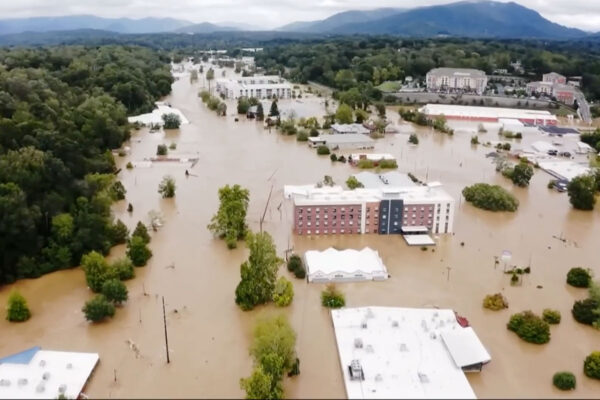
Matt recently published Market Impacts of Natural Disasters, which examines how four different natural disasters in four different states impacted production, state sales, and brewery closures/openings. He shared data from the National Oceanic and Atmospheric Administration that shows a large increase in the annual number of natural disasters in the U.S. Losses associated with those disasters totaled over 500 billion dollars in both 2023 and 2024.
For many craft brewers, a disaster is a question of when, not if. Floods, fires, wildfires, hurricanes, winter storms, and earthquakes can affect sales and production and threaten facilities, equipment, and most importantly, people. Being adequately prepared for emergency situations can help mitigate losses and save lives.
Readiness > Responsiveness
As the busy summer season begins to wind down, now is a good time to review or implement disaster preparation and mitigation plans. The Brewers Association has a collection of Emergency Response Resources that address specific disasters and situations. Here I will cover some basics of disaster preparedness that can serve as a starting point for your emergency planning.
- Show your employees that you take emergency planning preparedness seriously. Assign ownership of the plan to yourself or a responsible employee.
- Provide employees with digital and hard copy formats of all training materials. Practice regular drills with employees and responders, if possible.
- Update and review your plan on a regular basis. Keep key contact information, including employees and responders, up to date.
- Review your emergency preparedness plan with your insurance carrier. Insurance companies may also be able to offer suggestions and solutions that will help you be better prepared. In many cases, a comprehensive emergency preparedness plan can lower your commercial insurance premiums.
- Consider preparing a business continuity plan in addition to your emergency preparedness plan. Have contracts in place for remediation, restoration, clean-up, and security before an event occurs.
- Above all, be ready to protect your employees. Understand when to evacuate versus when to shelter in place. Ensure all your employees know and understand the plan.
Preparedness is not a one-time activity; it’s an ongoing process of planning, training, monitoring, and refining. By taking steps now, organizations can significantly reduce both the human, operational, and financial impacts of extreme weather events and other natural disasters.



 Resource Hub